
Extremadura, Spain – Spring Tour!
BIRD WATCHING MAGAZINE READER HOLIDAY
Bustards, Sandgrouse and Vultures!
24 April to 1 May 2027
Led by David Lindo In association with Bird’s Wildlife & Nature

About Spain
Spain is by far the most well known destinations in Europe when it comes to wildlife and it brings in birders from all over the world. Extremadura is perhaps the best region in Spain for birding. Situated inland in the southwest of the country, the landlocked region butts onto the border of Portugal to the west.
The local currency is the Euro.
The average daytime temperature at this time of the year will be approximately between 18/29C max (64/84F) in the afternoons and 8/10C min (46/50F) at night.
Tour overview
Although well known by British and northern European birders, conversely, Extremadura is one of the least known regions of Spain – even amongst the Spaniards. The fifth largest region in Spain, with an area size that is 4,000 square miles larger than Maryland, USA, roughly the size of Switzerland and twice the size of Wales – Extremadura is indeed, Spain’s biggest secret.
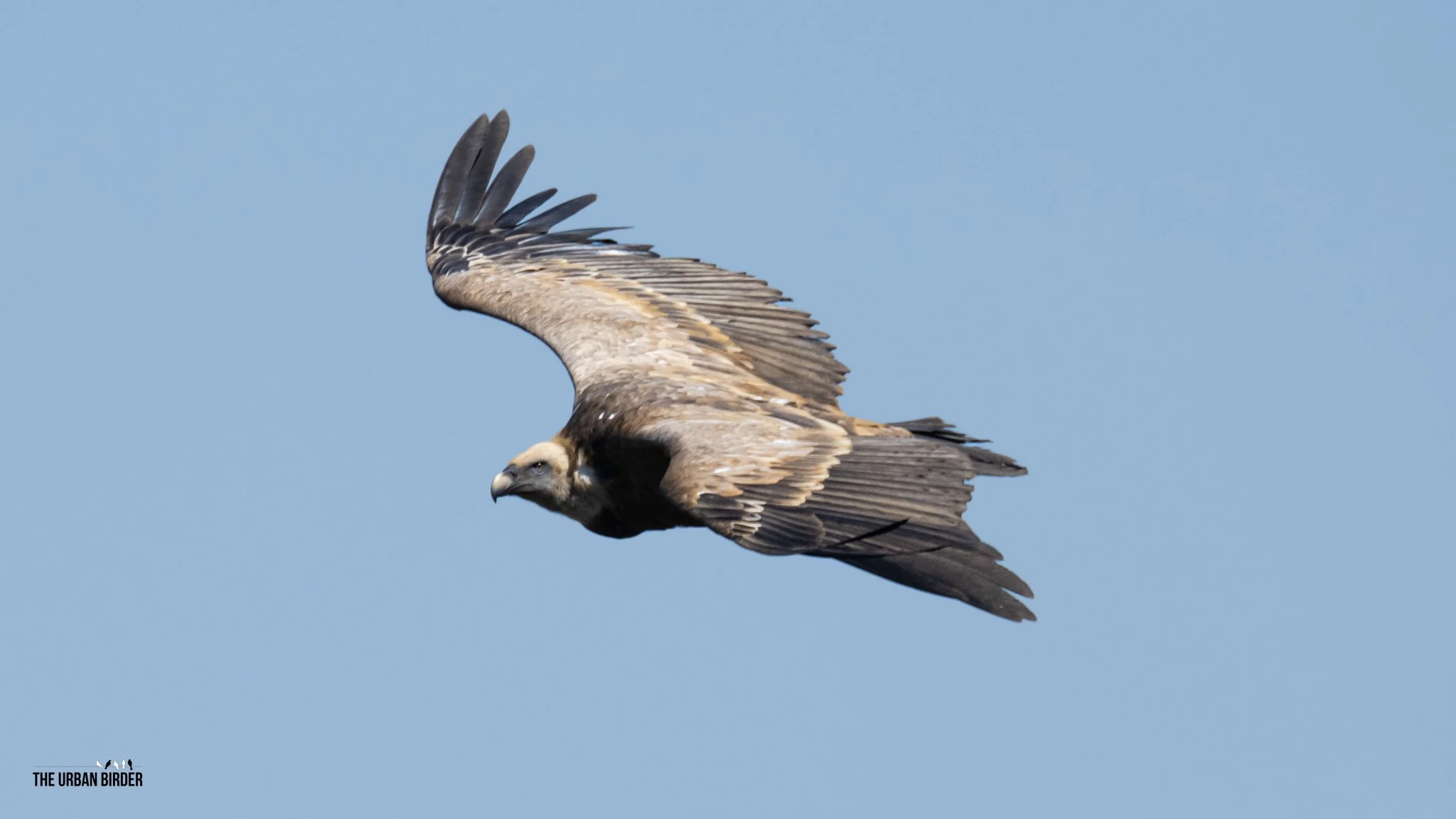
Extremadura is traditionally known as a spring venue for birding and wildlife watching. Many of the migrants like European Roller and Collared Pratincoles will be just arriving plus many of the resident birds from the tiny Sardinian Warblers to the mighty Eurasian Black Vultures will be busily raising young. One of the lasting impressions visitors have is the sheer number of birds, everywhere. The region boasts a wonderful variety of habitats ranging from mixed-farming plains to open managed woodland pasture (dehesas) where the famous black Iberian pigs roam free-range, deep rocky valleys, irrigated lands, reservoirs and mountains. Added to this mix are the beautiful towns and villages that are steeped in history and great for wildlife in their own right. During the time of this tour the landscape will be green after the winter rains with beautiful spring flowers in bloom attracting an array of butterflies and dragonflies.
Speciality birds like the Great and Little Bustards, Pin-tailed and Black-bellied Sandgrouse are findable. Migrants like Iberian Chiffchaff, Great Spotted Cuckoo and Willow Warbler will be in evidence with also a good chance of a scarcity. Passage shorebirds and waterfowl will be moving through the rice fields and reservoirs whilst we will witness feeding frenzies amongst the egrets, storks and gulls that follow the combines and tractors. Meanwhile, at the world famous Monfragüe National Park, Eurasian Griffon and Eurasian Black Vultures drift and there is an opportunity for local Golden or Spanish Imperial Eagles to make an appearance.
We will also aim to visit the charity AMUS in Villafranca de los Barros, Badajoz to see their amazing work running a bird hospital.
We also will be occasionally running tours in the UK to destinations including the Isle of Wight, Norfolk and the very popular Scottish adventures often in conjunction with the wonderful Grant Arms Hotel – the UK’s premier wildlife hotel.
Expected birds
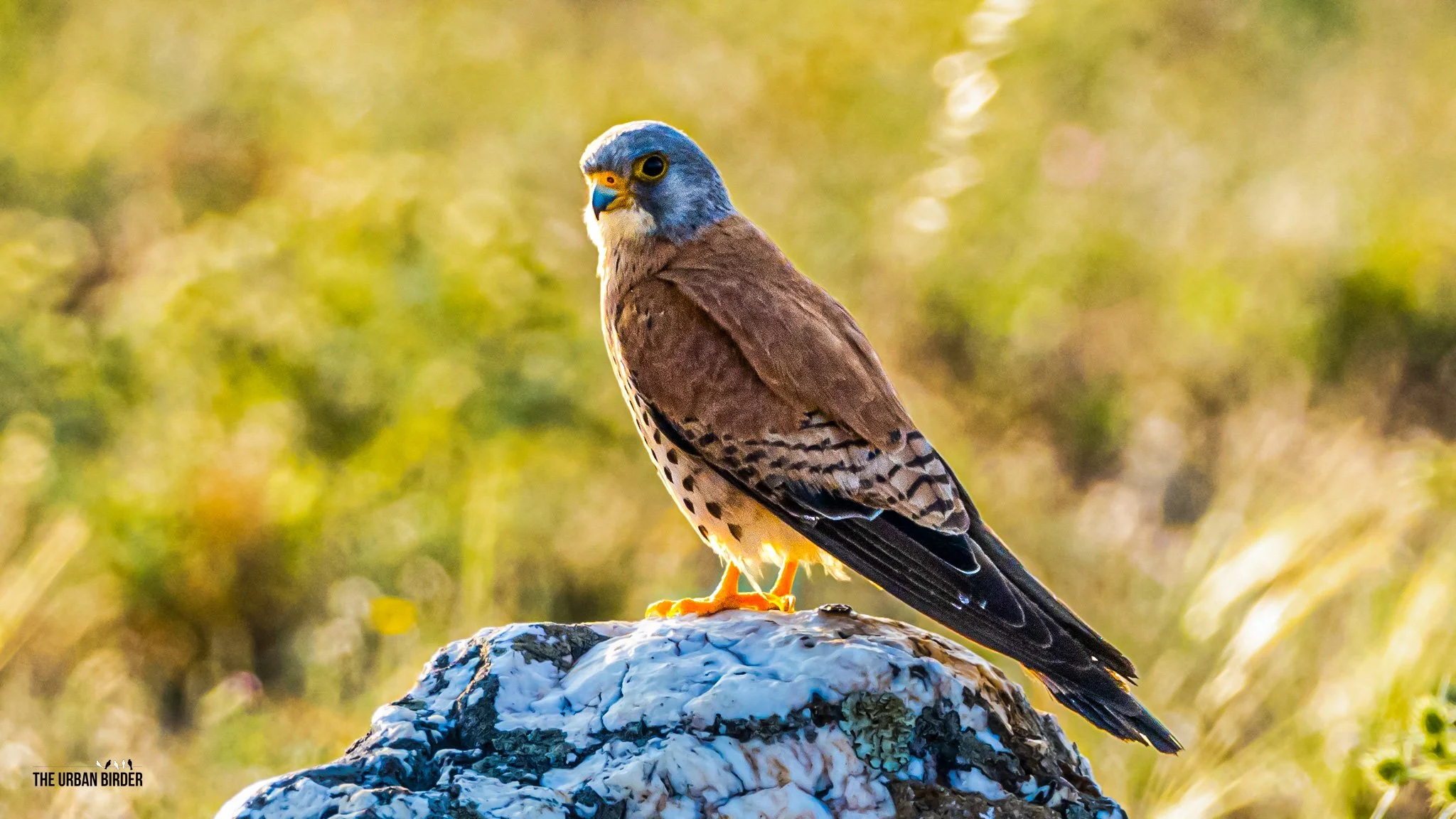
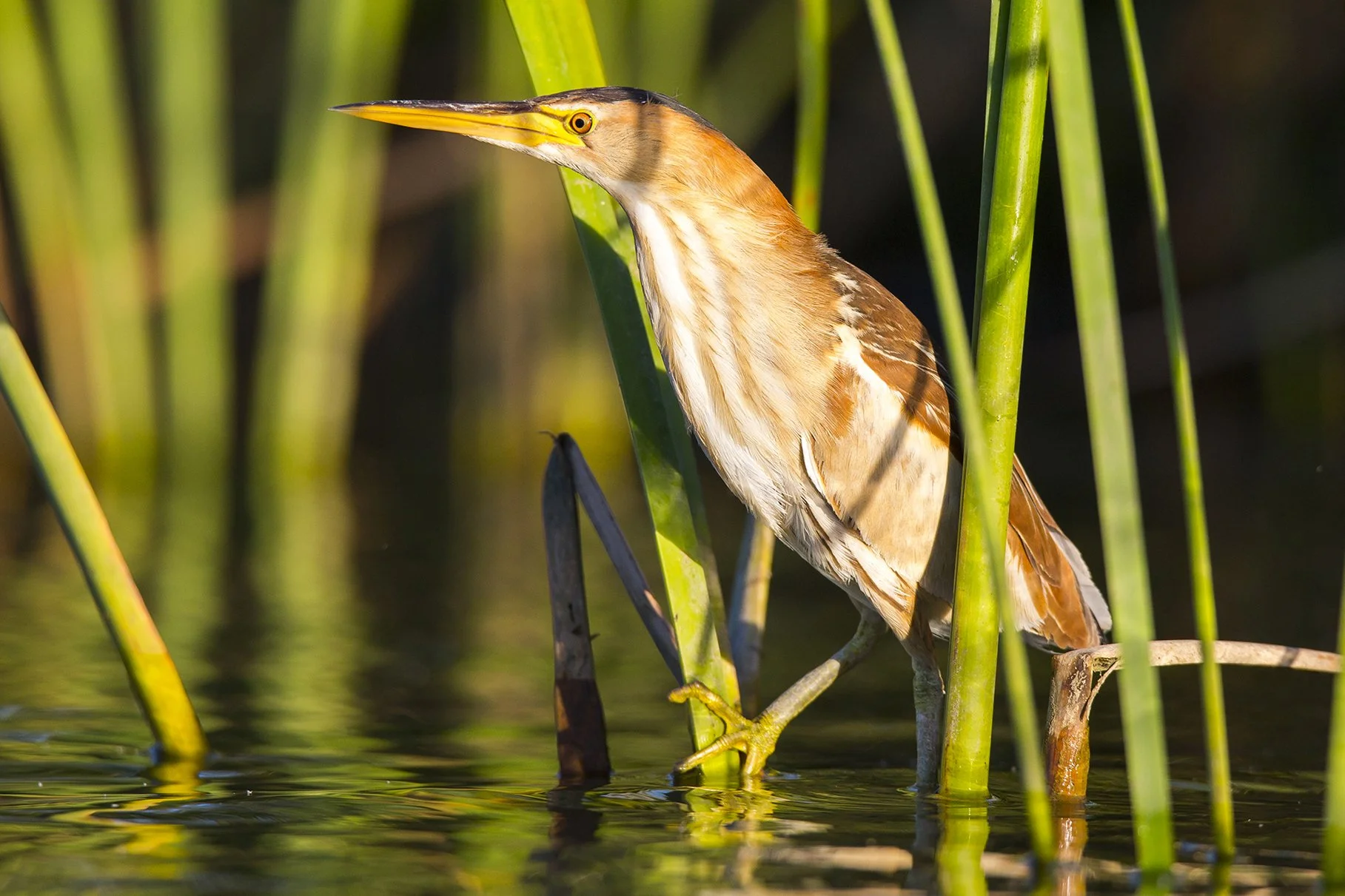
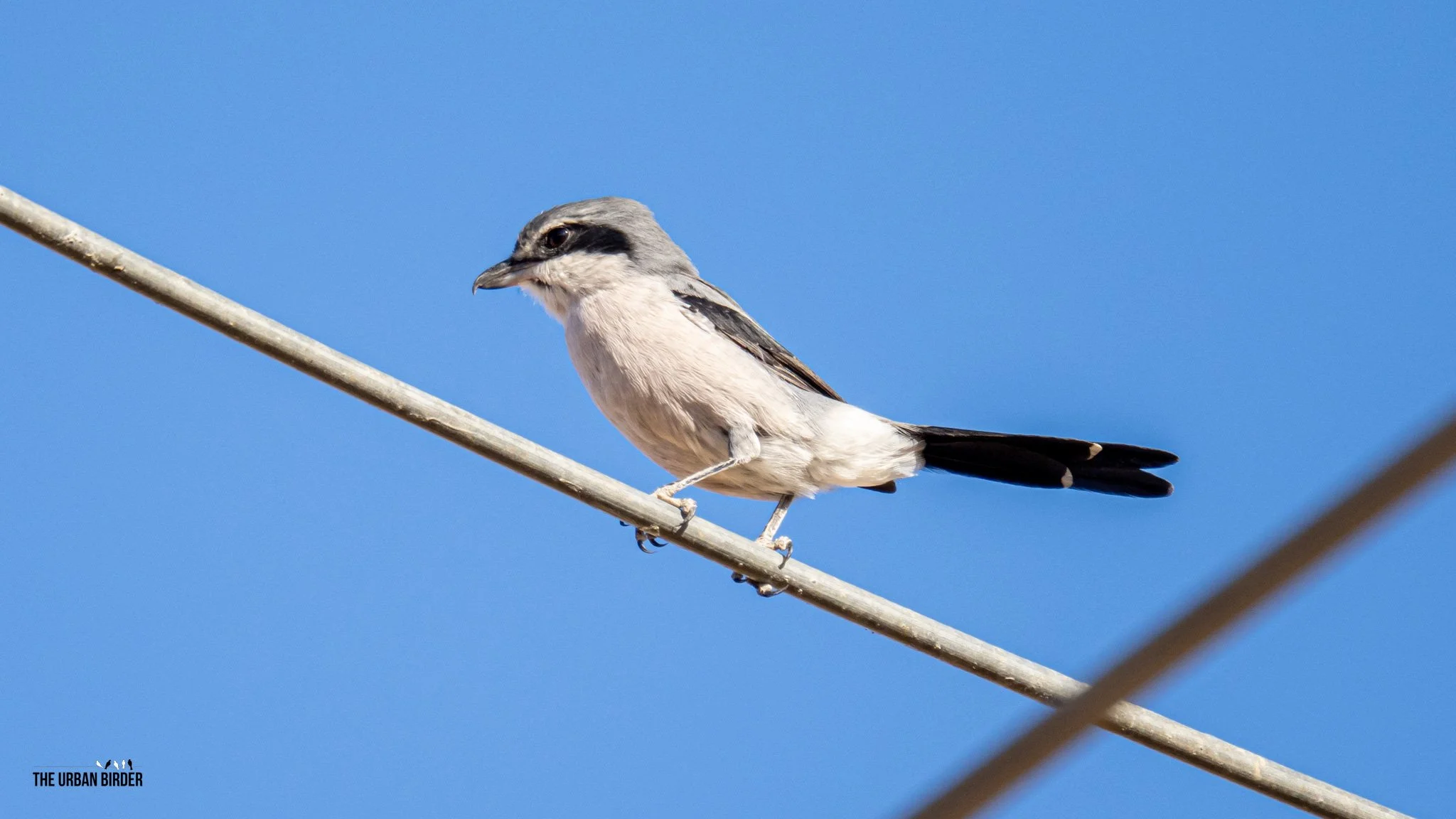
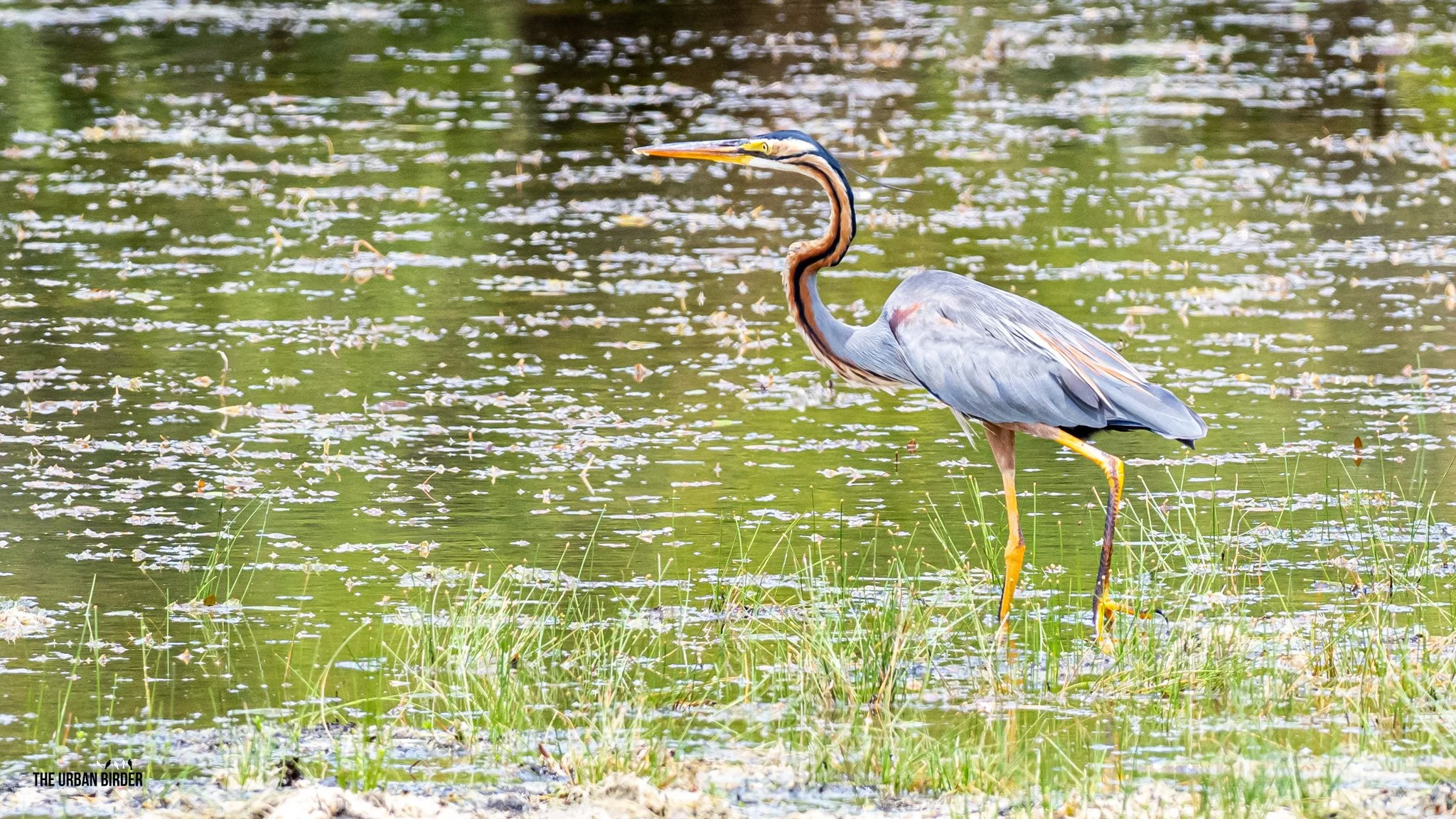
Great Egret, Little Egret, Squacco Heron, Purple Heron, Little Bittern, White Stork, Black Stork, Glossy Ibis, Eurasian Spoonbill, Eurasian Black Vulture, Eurasian Griffon Vulture, Black-winged Kite, Golden Eagle, Spanish Imperial Eagle, Bonelli’s Eagle, Booted Eagle, Lesser Kestrel, Purple Swamphen, Ferruginous Duck, Red-crested Pochard, Black-winged Stilt, Kentish Plover, Yellow-legged Gull, Little Tern, Gull-billed Tern, Great Bustard, Little Bustard, Pin- tailed Sandgrouse, Black-bellied Sandgrouse, White-rumped Swift, Pallid Swift, Common Swift, Alpine Swift, Long-eared Owl, Little Owl, Eurasian Eagle Owl, Eurasian Wryneck, Lesser Spotted Woodpecker, Great Spotted Woodpecker, Iberian Green Woodpecker, Calandra Lark, Crested Lark, Thekla’s Lark, Greater Short-toed Lark, European Red-rumped Swallow, Tawny Pipit, Rufous-tailed Scrub Robin, Blue Rock Thrush, Black Wheatear, Northern Wheatear, Black-eared Wheatear, Cetti’s Warbler, Western Bonelli’s Warbler, Iberian Chiffchaff, Western Subalpine Warbler, Spectacled Warbler, Isabelline Warbler, European Reed Warbler, Savi’s Warbler, Eurasian Penduline Tit, Great Tit, Blue Tit, Coal Tit, Crested Tit, Long-tailed Tit, Iberian Grey Shrike, Woodchat Shrike, Spanish Sparrow, European Tree Sparrow, Rock Sparrow, Iberian Magpie, Red-billed Chough, Western Jackdaw, Carrion Crow, Spotless Starling, Corn Bunting, Ortolan Bunting, Rock Bunting.
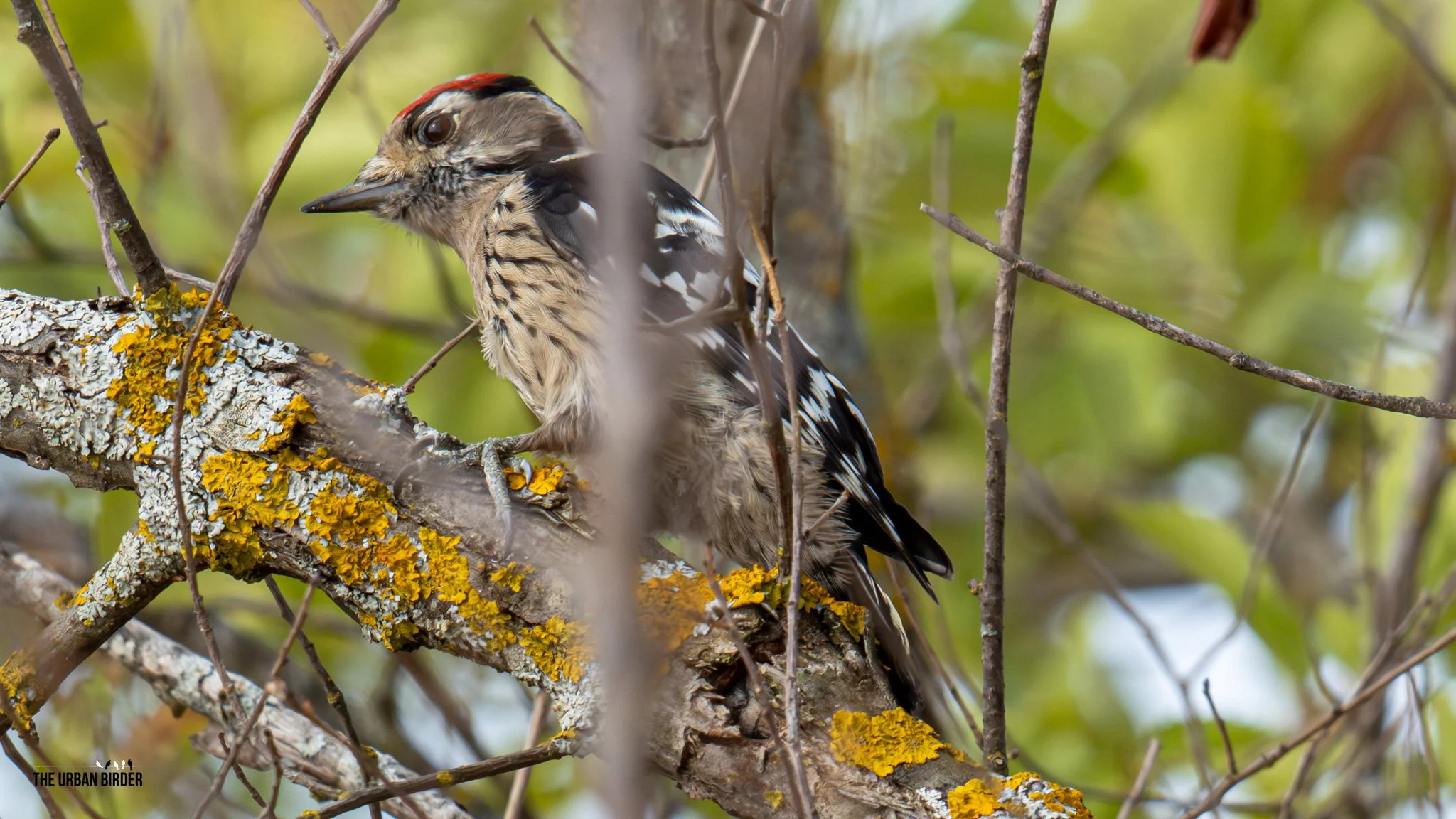
Lesser Spotted Woodpecker
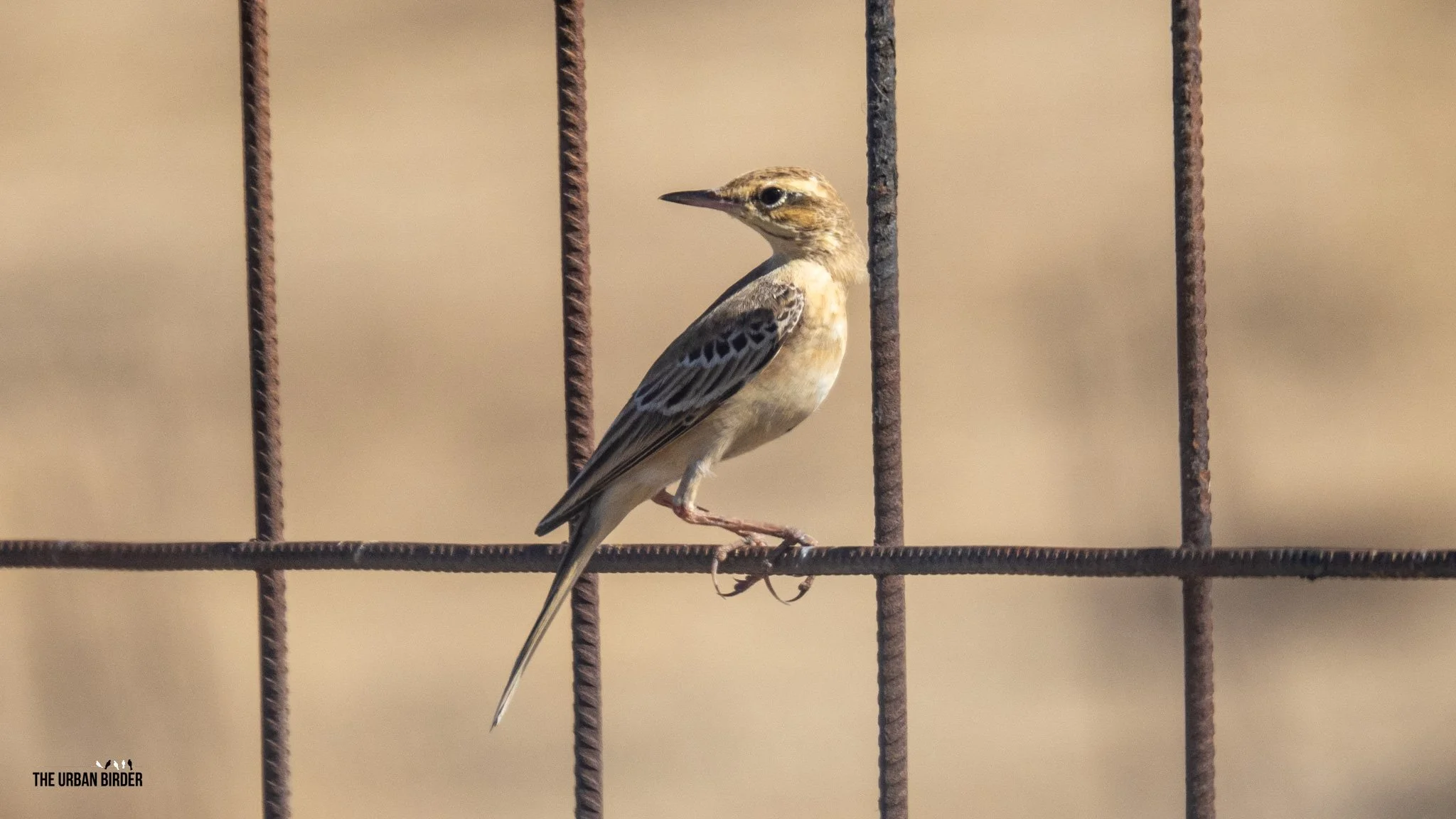
Tawny Pipit
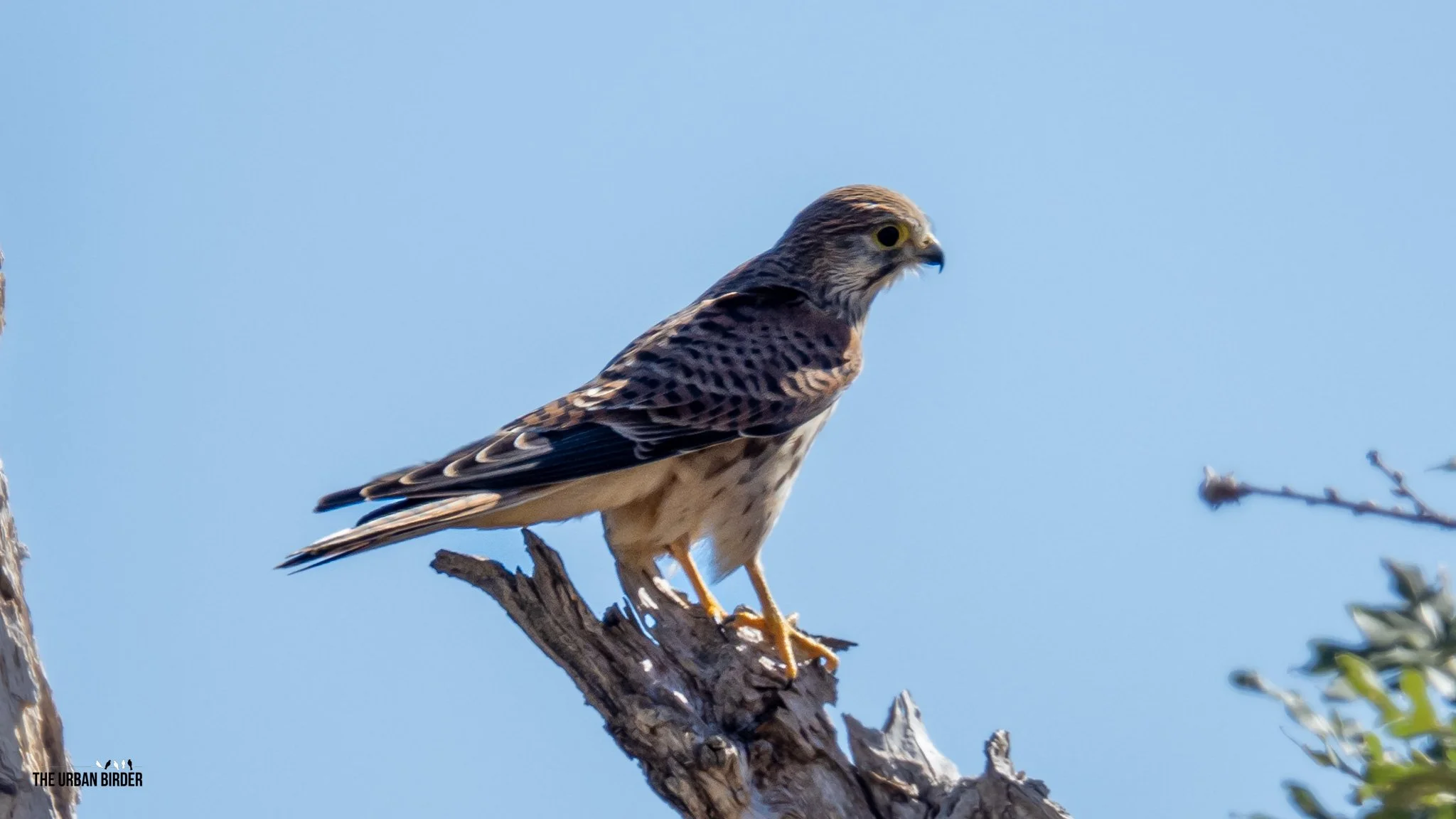
Eurasian Kestrel
Itinerary
Saturday 24 April – Transfer from Madrid to Mérida. Sites along the way
After an early afternoon pick up from Madrid Barajas Airport we will transfer to Extremadura in a comfortable vehicle. If we were to head straight to our accommodation in Mérida, the capital of Extremadura. ‘Capital’ is a term to be used lightly as Mérida has a population of around 60,000 and is fairly low-rise. Huge village would be a better moniker!
Nonstop, it would be a journey time of approximately three and a half hours. So, instead on the way we will briefly call in at Embalse de Valdecañas. It is a huge reservoir, so we will concentrate our efforts in the portion near the town of El Gordo on the northeastern border of Extremadura and the Castille La Mancha region. Here we will look for returning Gull-billed Terns and watch the close-up antics of a colony of Lesser Kestrels that share their home in a nearby ruined house with several pairs of White Storks. Soaring over their heads could be Booted Eagles, Black Kites and vultures.
Next, on the way through we will pop into the Embalse de Arrocampo in Saucedilla which is situated within the Monfragüe Natural Park. It is the second most visited location by birders in the whole region – and for good reason. This area of reed-fringed reservoirs near the northeastern border of Extremadura is a brilliant place for hearing squealing Water Rail finding Western Swamphen, Eurasian Spoonbill and possible sulking Ferruginous Duck. We may also hear the secretive reedbed dwelling Savi’s Warbler singing and might be lucky enough to catch sight of a Eurasian Bittern. It is also the only place in Extremadura with the possibility to find Bearded Tits.
Dinner & overnight in Mérida
Sunday 25 April – urban birding Merida, Embalses de Proserpina, Montijo, Esparragalejo & Canchales
After breakfast, we will walk from the hotel to the nearby and world-famous Roman Bridge – the longest and oldest Roman bridge in the world at over 2,000 years old. It spans the Guadiana River where we will look out for Alpine, Pallid and Common Swifts that nest beneath our feet within the arches of the bridge. Hopefully there will be Western Swamphen, Little Bittern, Eurasian Penduline Tit and Cetti’s Warbler to watch and listen out for too. We will look for Hoopoe, European Serin, Spotless Starling, White Stork, Glossy Ibis plus passing spring migrants in the adjoining park.
Later, we will drop into the various reservoirs previously listed. All are within 40 minutes drive of Mérida and will hopefully supply us with sightings of summer migrants like Woodchat Shrike, Western Subalpine Warbler, Iberian Chiffchaff and various shorebird species. Plus, more Eurasian Black and Eurasian Griffon Vultures, Black-winged and Black Kites, Booted Eagle, European Red-rumped Swallow plus many more.
When we get back to Mérida, after freshening up, we will have an optional short private cultural walk of the city.
Dinner & overnight in Mérida
Monday 26 April – Alange and Sierra Grande de Hornachos
After breakfast, we will take a look at the Valle de la Jabata which is only 30 minute drive from the hotel on the outskirts of the village of Alange. It is a rocky valley that is home to several rare orchid species. The birds here could include the usual vulture species, Golden and Short-toed Eagle, Eurasian Kestrel, Dartford Warbler, Thekla’s Lark, Iberian Magpie, Blue Rock Thrush and Black Wheatear.
We will then visit a nearby bird hospital run by the charity AMUS to see how they recuperate injured raptors. Just prior to that we will stop off at an innocuous area of olive grove in the middle of a massive olive grove estate to try to find one of Extremadura’s most elusive birds – the rare Rufous-tailed Scrub Robin. Fingers crossed!
We will then journey to the gorgeous Hornachos region. After lunch in the town we will explore this mountainous sierra for Spanish Imperial, Golden, Bonelli’s and Booted Eagles plus Rock Sparrow, Rock Bunting and Crag Martin. It is also probably the best place in the whole of Extremadura to getting good close views of the nationally declining Black Wheatear. We will end the day at nearby Llera to watch for Red-billed Chough and Spanish Imperial Eagle. It is also a site for the ultra-rare Iberian Lynx. If Lady Luck is on our side, we may get looks at this gorgeous cat.
Dinner & overnight in Mérida
Tuesday 27 April – La Serena, Castuera and Cabeza del Buey
We will start the day heading east of Mérida to La Serena. This huge area of steppe land is singularly the best place in Extremadura, perhaps in the whole of Spain, to see both bustard and sandgrouse species. In Castuera, which is part of the La Serena area, we will have further opportunities to search for the steppe specialities plus witness the colonies of breeding Montagu’s Harriers, for which, La Serena has the highest density breeding pairs of this graceful migrant raptor in the whole of Extremadura.
We will end our day in the mountains outside of the town of Cabeza del Buey to watch for raptors like Spanish Imperial Eagle and Egyptian Vulture plus chase down Blue Rock Thrush and Common Cuckoo.
This will be a long day with a travel time of 1hour 50 minutes each way.
Dinner & overnight in Mérida
Wednesday 28 April – Transfer to CácereS
After breakfast we will head north towards the historic medieval city of Cáceres. If we were to head straight to our accommodation situated near the heart of this fabulous but small city. It would be a journey time of approximately 1hour. So, instead, on the way we will briefly call in at a couple of reservoirs and other spots where we will look for nesting White Storks. Soaring over their heads could be Booted Eagles, Black Kites and vultures.
We will pop in the small village of Aldea Del Cana to visit their small lake, Charca de la Atalaya. Here, we will peer through the fence (it is on private land) to sift through the duck and waders that often gather there – if the water level is not too high. We could hope to see Black-tailed Godwit, Spotted Redshank, Ruff and perhaps a late Northern Pintail.
As we near Cáceres, we will pass through the adjoining town of Malpartida de Cáceres where we will stop for lunch at the Cafetería Museo Vostell with its resident Yoko Ono art installation, within the natural monument park called Los Barruecos. The general area features amazing landscape of rock formations together with artificial lakes that were once used by wool washers. It is also one of the locations for the filming of The Game of Thrones along with spots in both Trujillo and Cáceres. The birds here will include Black-winged Stilt, Iberian Grey Shrike, Thekla’s Lark and a White Stork breeding colony at the Humedal de la Cigüeña. There is also a good chance for migrant shorebirds like Common Greenshank, Common, Green and Wood Sandpipers.
After lunch we will leave Malpartida de Cáceres to get to the city of Cáceres. We will briefly pop into the city’s main park – Parque del Principe. It is apparently the most biodiverse and quietest urban park (in terms of traffic noise) in the whole of Spain! Here, we will look for the breeding pair of Lesser Spotted Woodpeckers that frequent the park as well as Hawfinch, the numerous and melliferous Common Nightingale, the super approachable and utterly adorable Iberian Magpie (and perhaps the most confiding in the whole of Spain!) plus possible migrants like Western Subalpine Warbler and Pied Flycatcher.
We will arrive at hotel close to the city’s historic centre. Looking up we will certainly be watching plenty of screaming Pallid Swifts overhead and insect hunting Lesser Kestrels that breed in the picturesque Old City.
Dinner & overnight stay in Cáceres
Thursday 29 April – Trujillo Plains, Embalse de Alcollarín and nearby rice fields
After breakfast we will head southeast to visit the plains and river valleys south of the historic town of Trujillo to get a good introduction to the landscape and scenery. We will be on the lookout for more Great and Little Bustards, Pin-tailed and Black-bellied Sandgrouse, Eurasian Griffon and Eurasian Black Vultures and hopefully eagle species like Booted, Golden, Spanish Imperial and Short-toed. We will watch displaying Calandra Larks plus see Crested, Thekla’s and hopefully, returning Greater Short-toed Larks that are summer visitors to the region. We will also note flocks of Corn Bunting and Spanish Sparrow plus possible glances at Rock Sparrows.
After lunch, we will spend the afternoon at Embalse de Alcollarín. It is a superb site that, itself, is worthy of a full day’s visit. During the winter the water’s surface can be coated with hundreds, sometimes thousands of ducks, plus plentiful Great Crested and Little Grebes. Most of these birds would have dissipated by our arrival but there may still be some left. The shoreline could harbour Black Storks, Eurasian Spoonbills, Great and Little Egrets and shorebirds like Wood Sandpiper and Black-winged Stilts. Its hinterland is good for Thekla’s and Crested Larks, Hoopoe, Iberian Magpie and Woodchat Shrike.
We could end our day, if time allows, searching through the nearby rice fields at Puebla de Alcollarín. It may be hit and miss as some of the fields may be drained and ploughed by the time of our visit. However, others may still be wet and frequented by Black-headed Gulls, Gull-billed Terns, Ruff, Common Snipe, Black-winged Stilts and other goodies including possible Whiskered Terns. We will play that visit by ear.
Dinner & overnight stay in Cáceres
Friday 30 April – Full day birding in Monfragüe Natural Park
Our final full day will be a day spent birding in the iconic Monfragüe Natural Park. This magnificent area is a must-see for any visitor to Extremadura. And, not too far from our accommodation, it is only a 50 minute drive. However, we will stop along the way for brief walks along rivers and through woodlands hoping for vultures, Spanish Imperial Eagle, Short-toed Eagle, Great Spotted Cuckoo, Crag and Western House Martins, European Red-rumped Swallow, Mistle Thrush, Rock, Corn and Cirl Buntings, Hawfinch and Short- toed Treecreeper.
The famous hotspot in Monfragüe is Peña Falcon (Falcon Rock). It is an impressive natural feature and a superb site for watching all three regular species of vulture (Eurasian Black, Eurasian Griffon and small numbers of Egyptian) plus other raptors like Peregrine, Black Kite, Golden, Short- toed and Spanish Imperial Eagles. We will check the nearby Monfragüe Castle for any signs of the very scarce White-rumped Swift that breed in the castle. They are late migrants from Africa arriving in May. Regardless, from that lofty point we will also watch the vultures drift pass at close quarters and look for rock dwellers like Rock Bunting, Black Redstart and Blue Rock Thrush plus for woodland species such as Hawfinch, Firecrest and Crested Tit.
Dinner & overnight stay in Cáceres
Saturday 1 May – Transfer to Madrid – around 3hours drive
After breakfast we will have a leisurely morning before checking out of your hotel and transferring to Madrid.
Happy days!
Special trip notes
The tour will depart from Madrid Airport on Saturday 24 April in the early afternoon. Therefore, please aim to get flights that arrive around 13:00 on that day.
Book your return flights to leave at 15:00 onwards from Madrid Airport as we shall aim to arrive there by 12:30 on Saturday 1 May.
The pace of this tour will be gentle. We will let the wildlife come to us.
In Extremadura most of the region’s rain falls during the spring and autumn. The temperature may be warm but be prepared for chillier weather. We can anticipate a chance of rain, but we should also be able to enjoy some sunshine as well.
Recommended literature
Collins Bird Guide
Book now
Duration: 24 April to 1 May 2027
Price: £1,990 per person plus flights
Single supplement: £405
Deposit: £500 per person
Final payment will be due 90 days before start of tour
Group size: Minimum for tour to go ahead – 5 maximum 8
Please contact us if you have any other queries
Price includes
B&B hotel accommodation based on sharing twin rooms
All meals and some drinks
Transport in a comfortable vehicle
The services of your guide David Lindo (The Urban Birder) and a second driver/guide
The services of the official city guide in Mérida and Cáceres
Price does not include
Airline tickets and airport taxes
Personal travel insurance
Entry fees to monuments and museums (if desired)
Additional lunch snacks, incidental refreshments at cafes and bars plus all additional alcoholic drinks
Click on the booking button BELOW to reserve your place on this tour. You will be re-directed to the birdswildlife.com website.
Testimonials