Northern Serbia – Long-eared Owl Tour
9 January 2027 to 14 January 2027
NB: There is also an option to arrive a day earlier (Friday 8 January) to enjoy a cultural tour of Belgrade on the morning of Saturday 9 January. Please let us know if you are interested in this option.
Led by David Lindo - The Urban Birder
With Milan Ružić
£1,975 plus flight
Deposit £500
Single Supplement £195
Led by David Lindo In association with Bird’s Wildlife & Nature

What makes us different
TUBW Tours in association with Bird’s Wildlife and Nature are the only official UK wildlife tour operators leading trips in Serbia.
We have access to birding locations that are closed to general visitors.
We are the only wildlife operators that have been endorsed by the National Tourism Organization of Serbia.
£50 from every booking goes to BirdLife Serbia to help with the conservation of the owls and other wildlife.
We work directly with the best local guide in Serbia – Milan Ružić.
If you don’t see an owl on this trip David will eat his binoculars!
Do the right thing and only book with us!
About Serbia
Serbia is a landlocked Balkan country in southeastern Europe that was part of the former Yugoslavia. Situated on the southern edge of the Pannonian Plain it is bordered to the north by Hungary, Romania and Bulgaria to the east, Macedonia to the south and Croatia, Bosnia and Montenegro to the west. Serbia’s capital is Belgrade one of the largest cities in Southeast Europe.
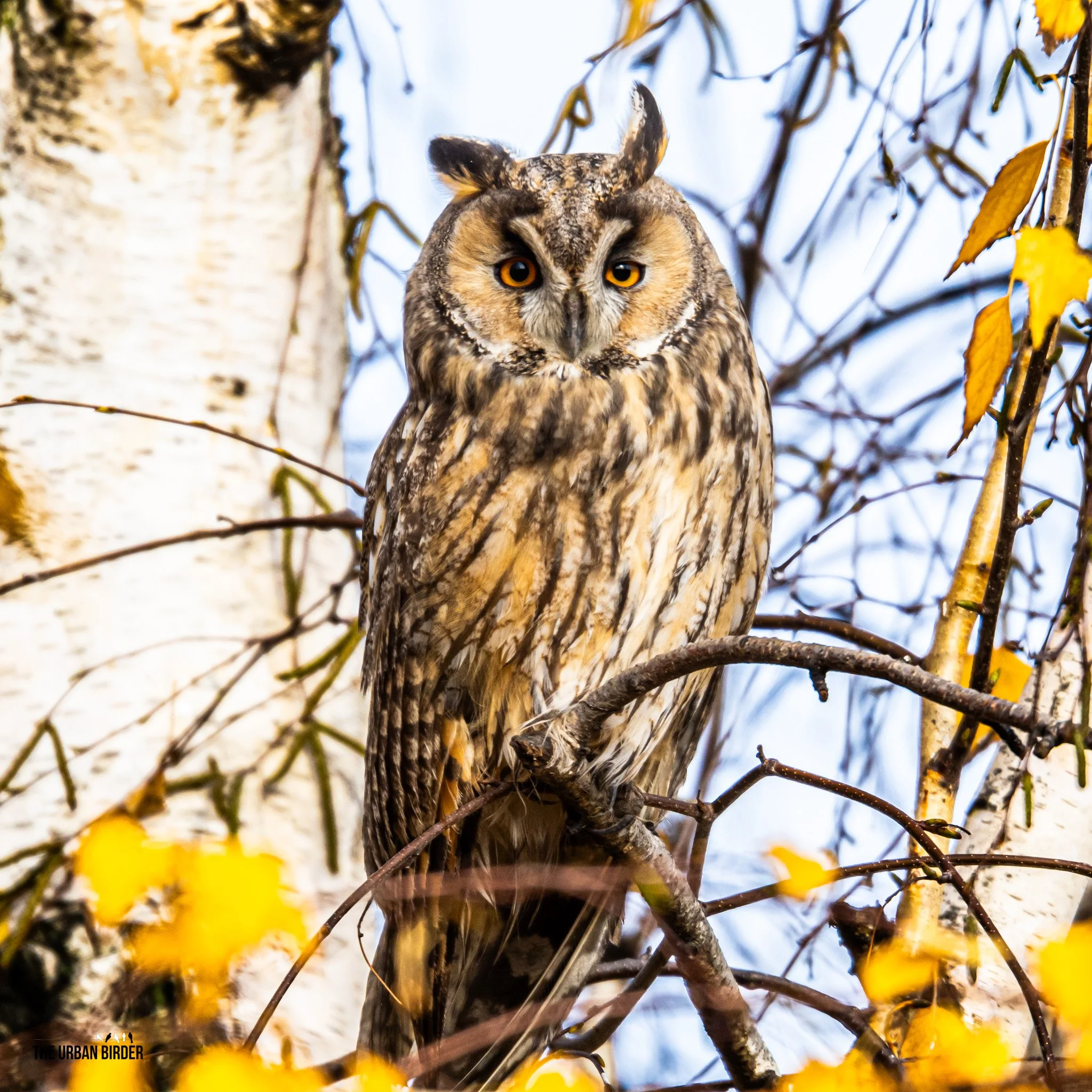
Serbia has rapidly become one of the most talked about birding destinations in Eastern Europe. Why? Firstly, because over the past 18 years of David Lindo and Milan Ružić have done wonders promoting this fabulous destination. Secondly, because it is officially the best place on the entire planet to see Long-eared Owls - in unimaginable numbers!
The local currency is the Serbian Dinar.
Tour overview
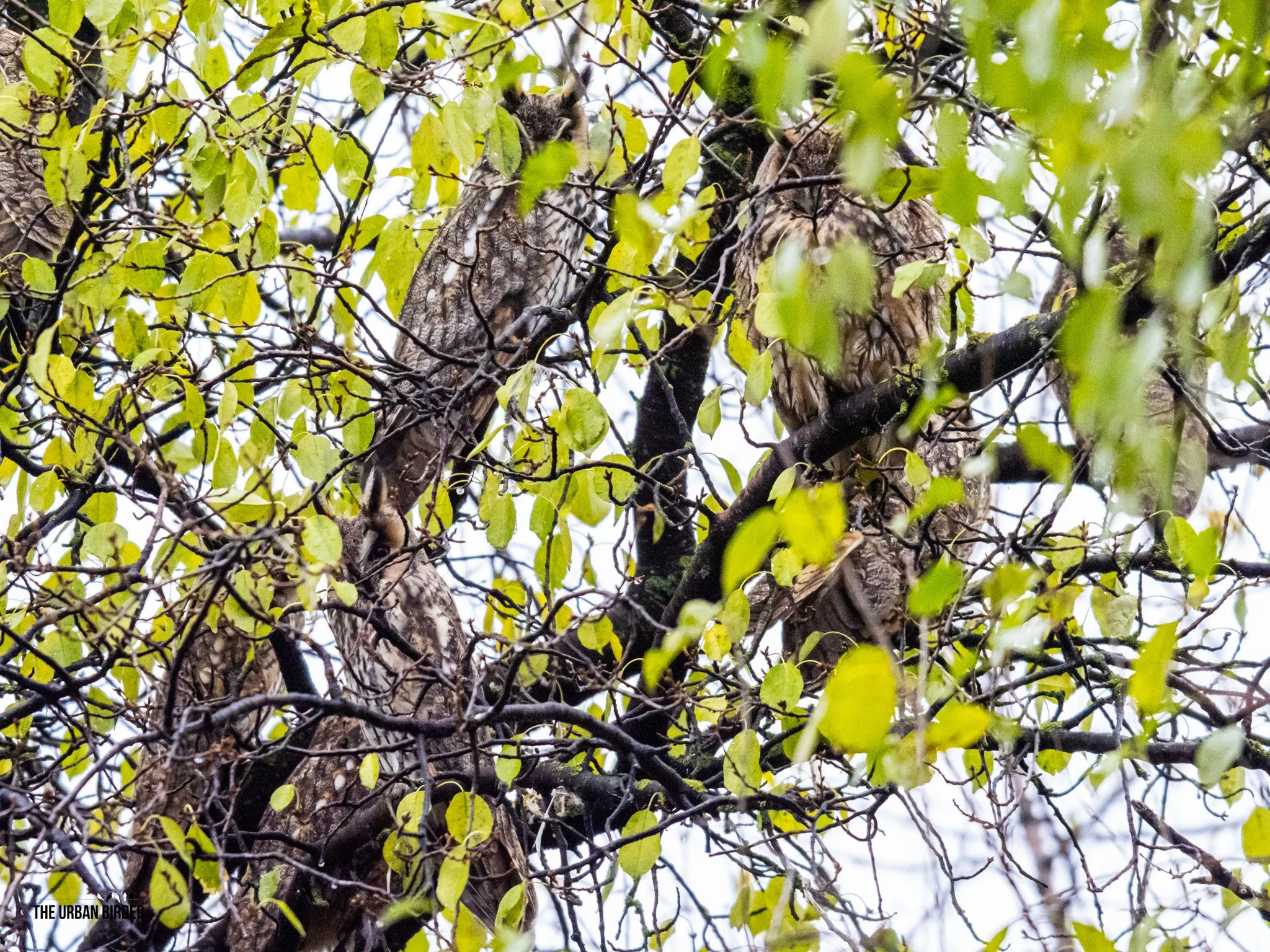
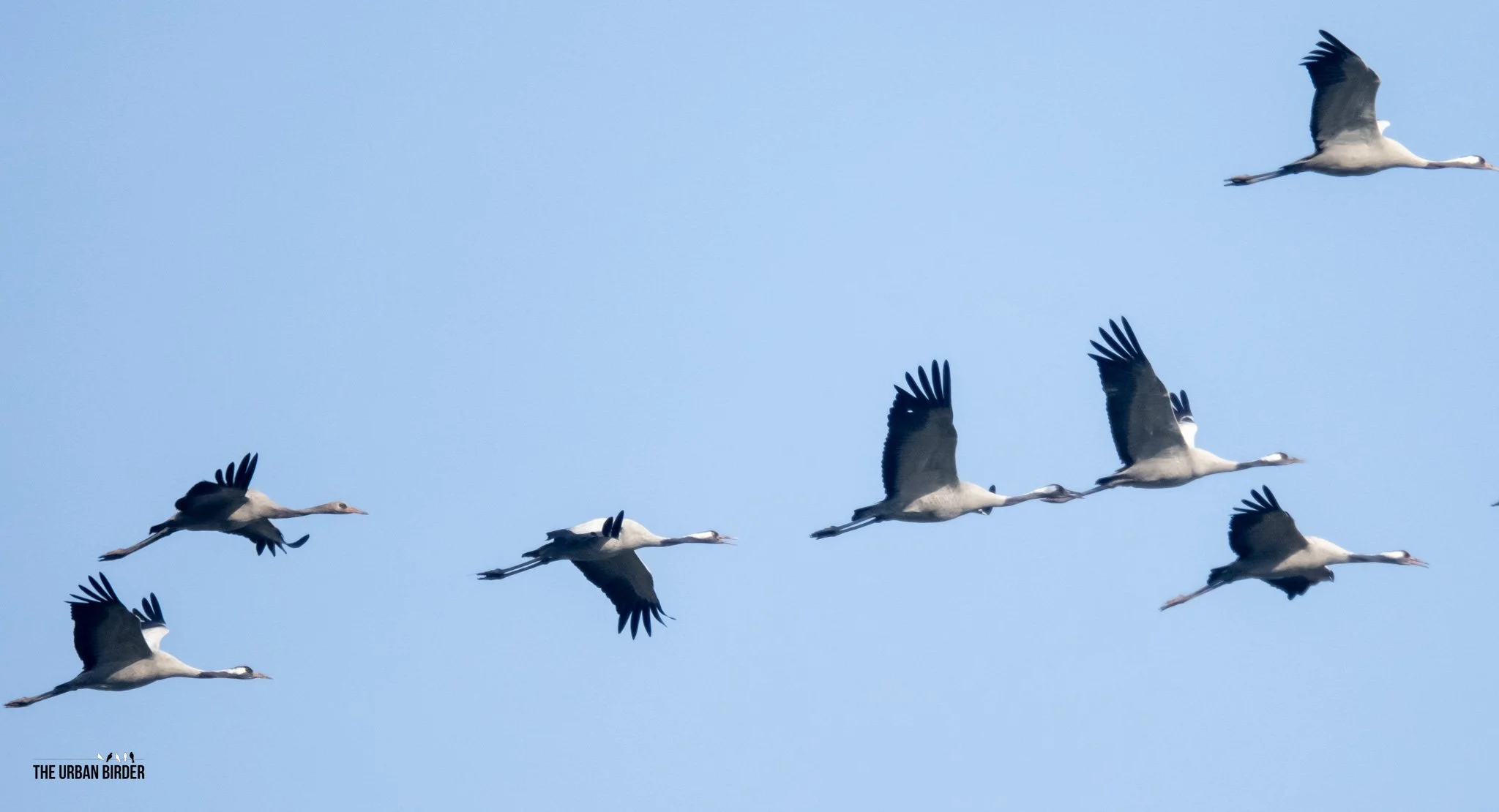
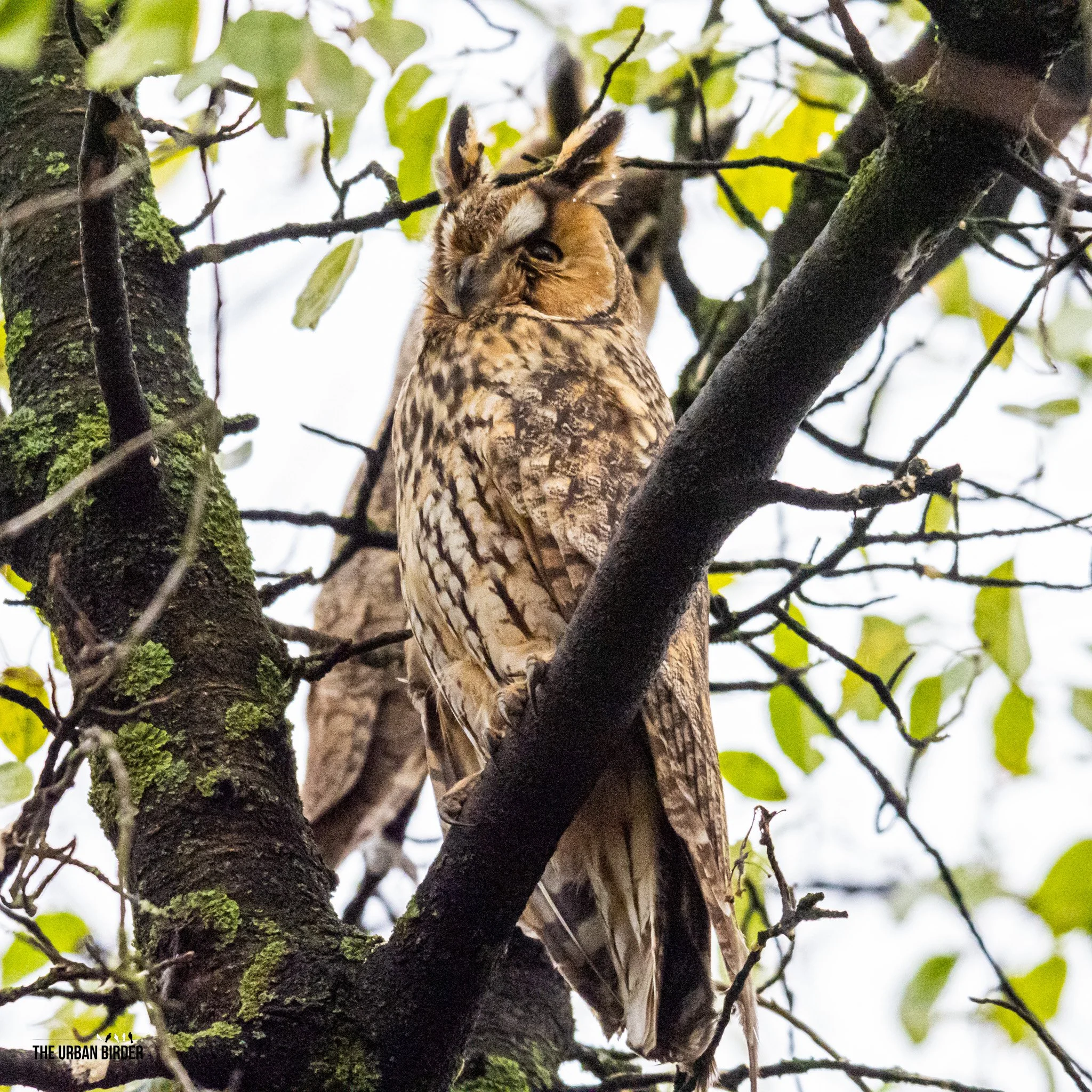
Our small boutique hotel is situated right in the heart of the owl action. The owls can be seen from some of the windows of our hotel and just about anywhere else in the picturesque small town of Kikinda, where we will be based during this exciting short getaway. The main square has been declared by the local government as a nature reserve and holds huge gatherings of Long-eared Owls – which can peak at 800 in some years. Over the ensuing days we will spend our time exploring some of the towns and surrounding areas looking for owls, Great Grey Shrikes, White-tailed Eagle as well as wintering flocks of Common Cranes and White-fronted Geese.
There is also the possibility of finding the majestic though sadly, endangered Saker Falcon or an equally rare wintering Eastern Imperial Eagle. There is plenty to keep us busy aside the owls. We will explore reed-fringed ponds, local parks and woodlands and the great thing about this popular trip is that there is very little walking involved. Plus, we will never be too far away from a cup of coffee or hot chocolate because most of our birding will be urban based.
Note that other companies are now starting to go to Serbia for the owls, but we are the only Serbian Tourist Board accredited company, using local guides and donating directly to local conservation projects.
We guarantee that you will leave Serbia beaming!
Expected birds
Red-throated Diver, Slavonian Grebe, Pygmy Cormorant, Eurasian Bittern, Great Egret, Eurasian Spoonbill, Common Crane, Great Bustard, Greater White-fronted Goose, Ferruginous Duck, Goosander, Smew, Common Goldeneye, White-tailed Eagle, Eastern Imperial Eagle, Hen Harrier, Western Marsh Harrier, Common Buzzard, Eurasian Sparrowhawk, Eurasian Goshawk, Peregrine, Merlin, Water Rail, Northern Lapwing, Pied Avocet, Eurasian Golden Plover, Dunlin, Little Stint, Black-tailed Godwit, Eurasian Curlew, Ruff, Caspian Gull, Yellow-legged Gull, Little Gull, Common Kingfisher, Barn Owl, Long-eared Owl, Short-eared Owl, Little Owl, Black Woodpecker, Grey-headed Woodpecker, Syrian Woodpecker, Lesser Spotted Woodpecker, Crested Lark, Water Pipit, Fieldfare, Redwing, Black Redstart, Goldcrest, Marsh Tit, Long-tailed Tit (including the beautiful white-headed caudatus race), Eurasian Penduline Tit, Bearded Tit, Eurasian Treecreeper, Great Grey Shrike, Northern Raven, Eurasian Tree Sparrow, Brambling, Eurasian Siskin, Eurasian Bullfinch, Hawfinch and Corn Bunting.
Mammals: Kuhl’s Pipistrelle, European Brown Hare, Musk Rat, Roe Deer, Red Fox, Golden Jackel, European Wildcat.
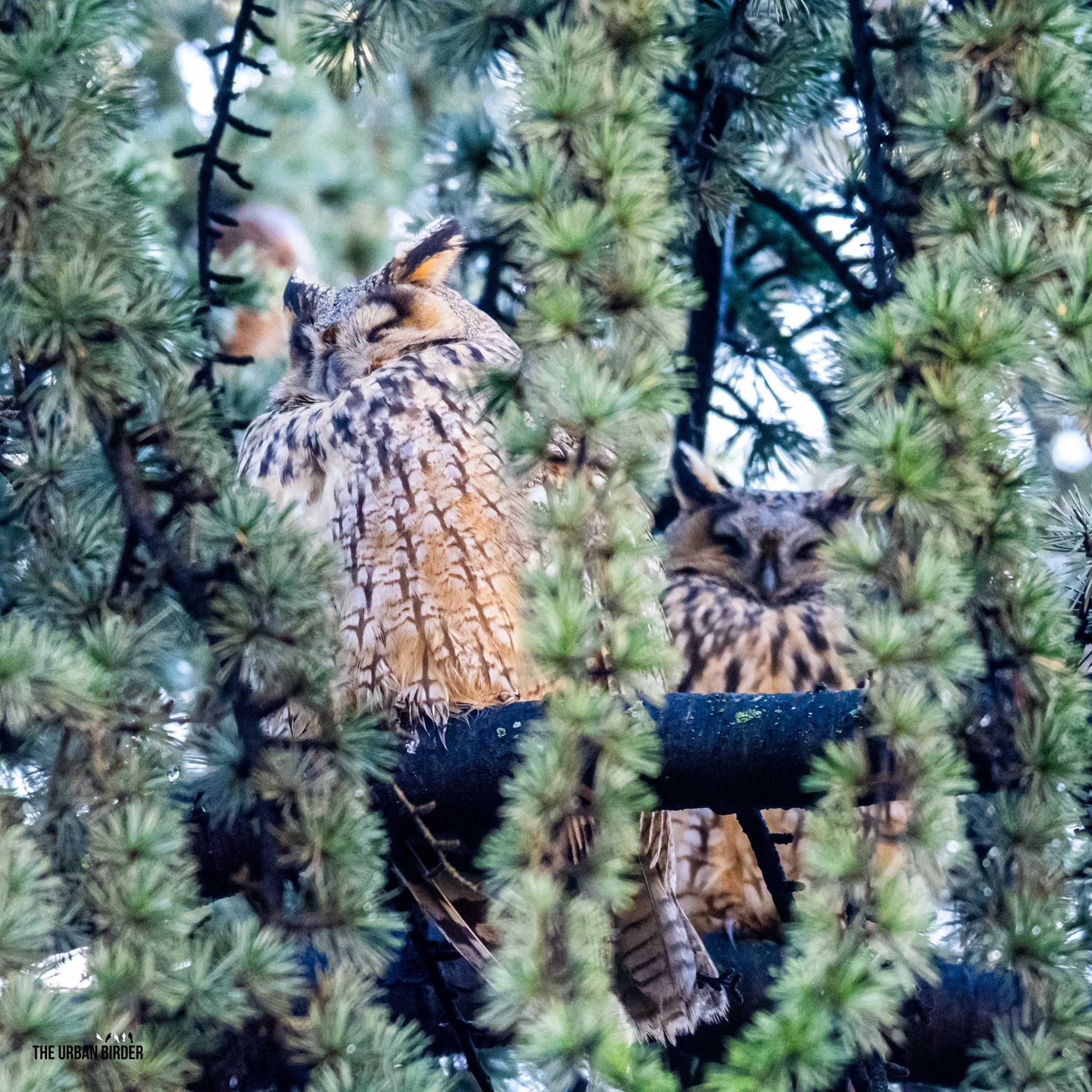
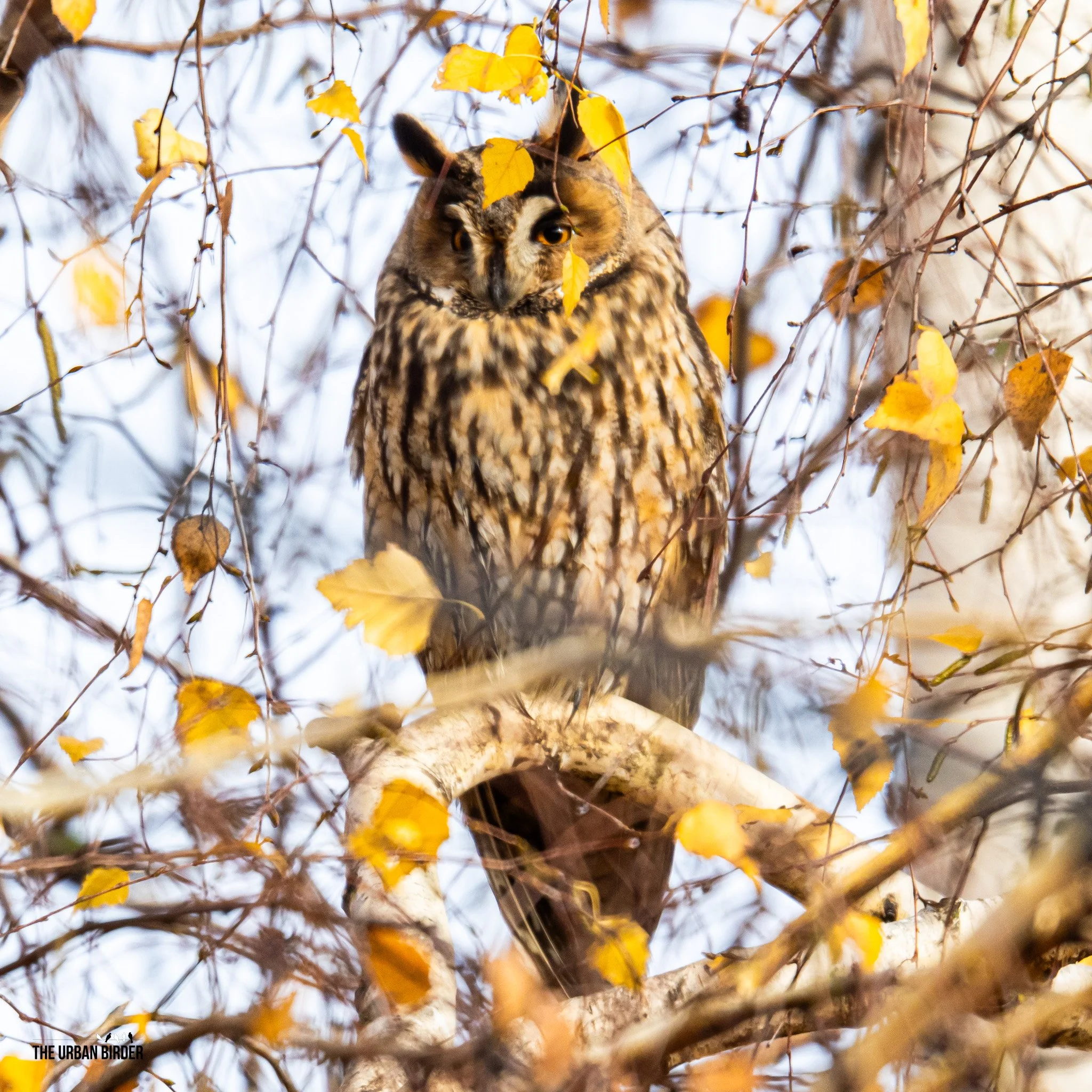
Long-eared Owl
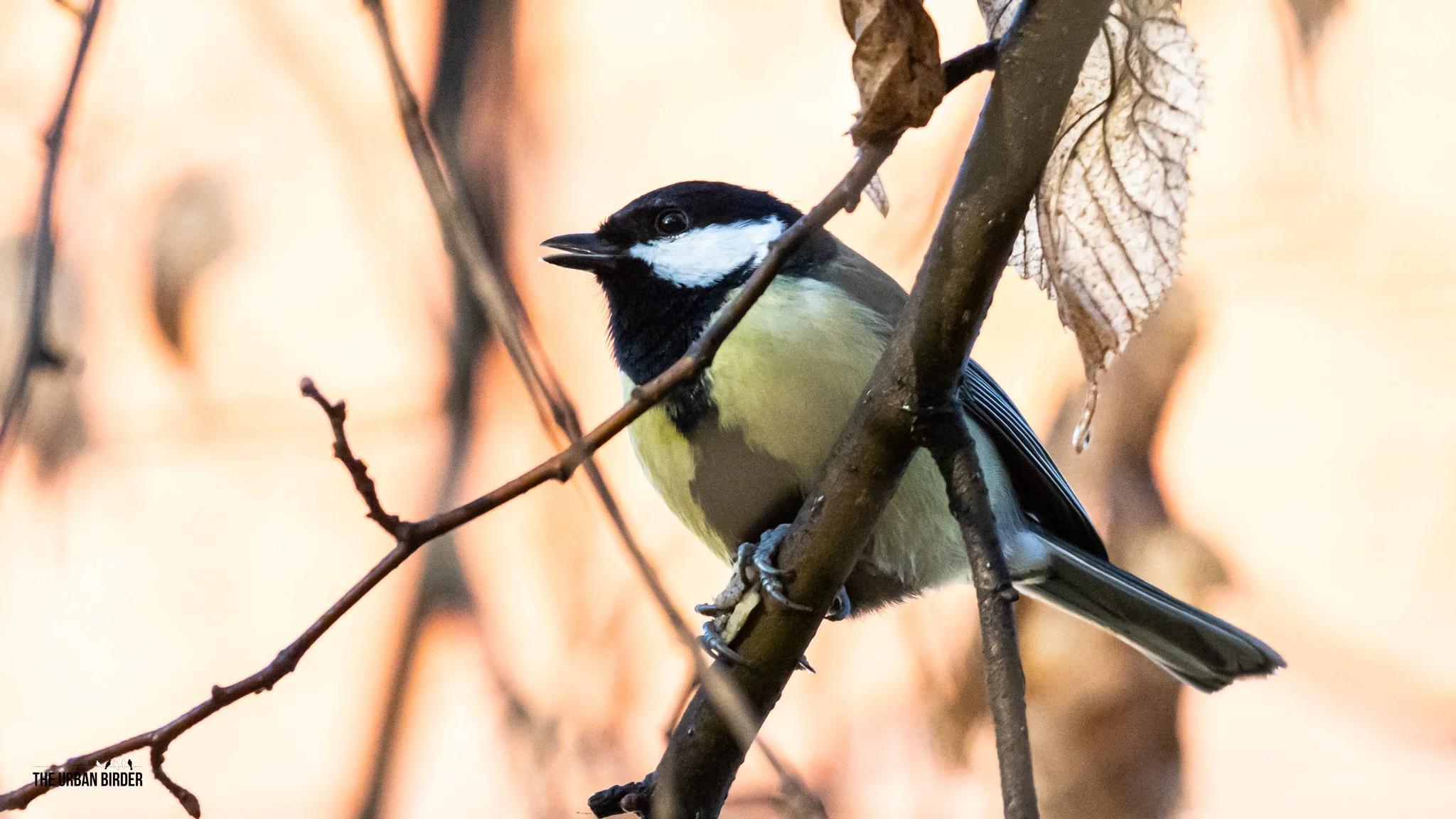
Great Tit
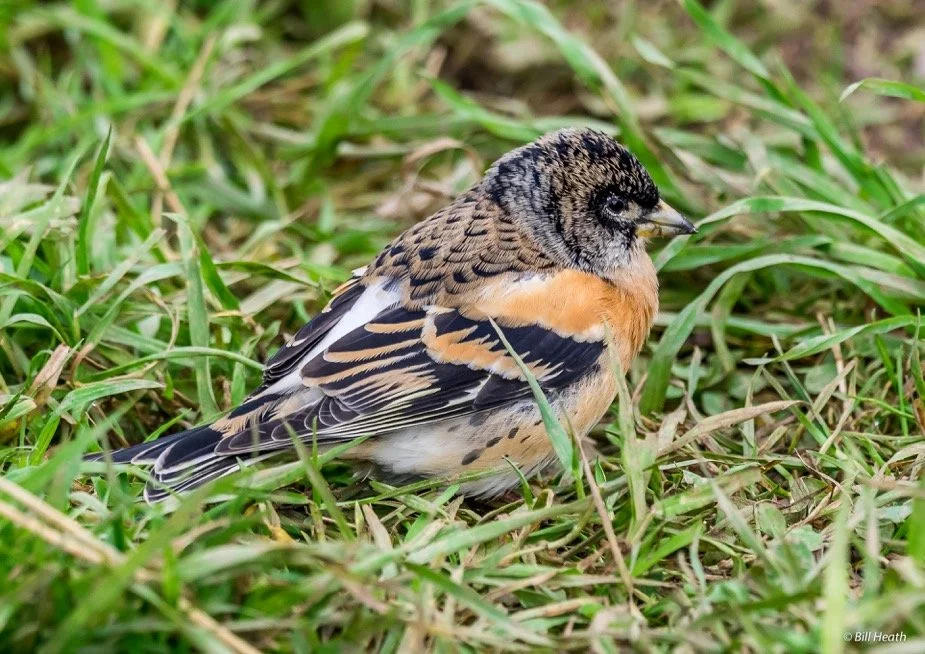
Brambling - Bill Heath
Itinerary
NB. The sequence of places visited may alter to take into account changes in the weather and/or the suitability and availability of the habitat and wildlife.
Saturday 9 January
Plan to arrive by the afternoon into Nikola Tesla International Airport Belgrade, Serbia after which you will be met and transferred to our hotel in the city centre.
Our tour will start with dinner in the evening.
Dinner & overnight in Belgrade
Sunday 10 January
Today after breakfast, we will depart Belgrade and make our way towards Kikinda - the Owl Capital of the World. On the way we will stop off at the city of Novi Sad to pick up our charismatic local guide and the Director of BirdLife Serbia, Milan Ružić. We will continue our journey to Kikinda and of course, there will be stops along the way.
Dependent on water levels, we will bird at a couple of wetland sites where we can see both Great and Pygmy Cormorants allowing for good comparisons while among the gull flocks we will try and find some Caspian Gulls mixed in with the devilishly similar Yellow-legged Gulls. Great Crested Grebe, Common Pochard and Tree Sparrows will be easily seen and while watching the lakes we will search for other ducks that may include Northern Shoveler, Common Pochard, Eurasian Teal, Common Shelduck and possibly something like Smew or Ferruginous Duck. As we keep looking up, we could see skeins of White-fronted and Greylag Geese and perhaps spot the first of the White-tailed Eagles that will punctuate our memories of Serbia. Among the reedbeds the ringing call of Bearded Reedlings may draw our attention, and further searching could net us both Penduline Tit and Reed Bunting. After all that excitement we will continue our journey to the small town of Kikinda and the possibly of our first Long-eared Owls in the few trees right outside the hotel.
Dinner & overnight in Kikinda
Monday 11 January
Today will be surely one of those days that everyone holds in anticipation!
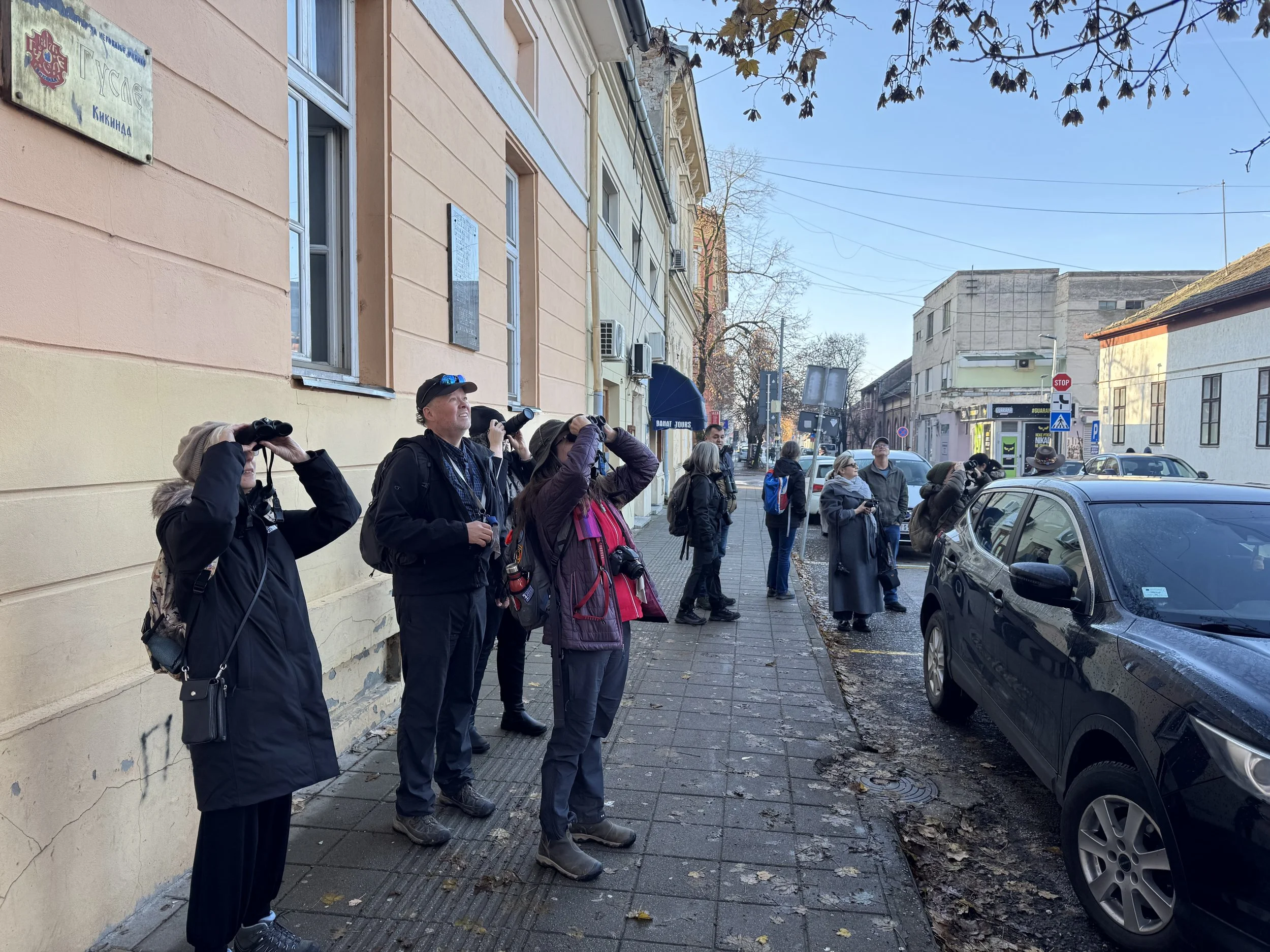
We will start our morning in Kikinda Square right outside the hotel. The focus will be the Long-eared Owls, and it shouldn’t take us long to locate our first tree with roosting birds. The spectacle of the number of birds can be astounding. Up to 150 Long-eared Owls have been counted in one tree in the town centre and the total number of roosting owls in the town square in winter in a good year can be upwards of 800!
Even in a poor year there are still several hundred to be found on this tour. The birds can be anywhere and everywhere, in the churchyard, in the trees along the main street and in the trees around cafes. The spectacle is incredible and should offer excellent owl watching and photographic opportunities that will not disturb the birds. Once we've seen the owls, we will also take in some of the cultural delights and architecture that the town has to offer before visiting a few other sites in the vicinity for yet more Long-eared Owls, plus Little Owl, Syrian Woodpecker, Black Redstart and Hawfinch.
Dinner & overnight in Kikinda
Tuesday 12 January
After breakfast, and of course, a check on the owls outside the hotel, we will spend some time in villages with even more Long-eared Owls. We are sure to be distracted by the sights and sounds of Common Cranes and Greater White-fronted Geese flocks traversing overhead whilst watching the diminutive Black Restarts calling from the rooftops.
Our destination today will be Kapetanski Rit Wetlands which is 80km NW of Kikinda. With 179 acres of designated wetland the area is rich source of biodiversity. Here we will look for more views of Pygmy Cormorant, White-tailed Eagle, Hen and Western Marsh Harrier, Great Egret, gulls, waders and both Bearded Tit and Penduline Tit
Towards the end of the afternoon, we will explore several landscapes for owl species including Long-eared, Short-eared, Little and Barn Owls while also looking in the old trees for Black, Grey-headed, Lesser Spotted, Great Spotted and Syrian Woodpeckers, Brambling, Hawfinch and anything else that might appear. We will eventually return to Kikinda in time for dinner.
Dinner & overnight in Kikinda
Wednesday 13 January
Today, on our final full day, we will pack up and start heading back to Belgrade via Novi Sad. We will spend part of the day at Carska Bara Nature Reserve, the largest individual bog in Serbia. The entire system consists of three ponds (Carska, Perleska and Tiganjica) connected by the 8 km (5.0 mi) long canal. This protected wetland consists of many smaller bodies of water, including rivers, canals, lakes and ponds, covered with reed beds, willow thickets and rushes and it is known for its colour diversity. Blue clear water, white and yellow salt marsh and brown and green woodlands. There are some 500 plant species registered in the reserve including many rare or protected ones. Around 24 species of fish live here along with amphibians and reptiles making it an ideal hunting ground for waterbirds and raptors. The reserve itself is best known for its abundant bird life.
Thousands of Greater White-fronted Geese spend December-January each year in Carska Bara and careful sifting through the nervous flocks may turn up rarities such as Lesser White-fronted Goose or the beautiful, Red-breasted Goose. Among the assembled ducks should be Mallard, Eurasian Teal, Northern Shoveler and Eurasian Wigeon and maybe a Ferruginous Duck or Smew. White-tailed Eagles, Western Marsh and Hen Harriers, Merlin, Peregrine, Common Buzzard and Eurasian Sparrowhawk patrol the area. Both cormorant species will be present, and the fields are sometimes full of Common Cranes. The surrounding bushes, scrub and fields can hold Brambling and other finches, Meadow Pipit, Reed Bunting, Great Grey Shrike and Fieldfare. So, there will be plenty to keep us busy. Later we will return to Belgrade after stopping in Novi Sad in time for our final dinner in a beautiful restaurant on the banks of the Danube to review our highlights.
Dinner in Novi Sad & overnight in Belgrade
Thursday 14 January
Today, you will be transferred to Nikola Tesla International Airport Belgrade, in time for our international departing flights home.
You may book a flight to depart at any time today, but note our tour finishes with breakfast today.
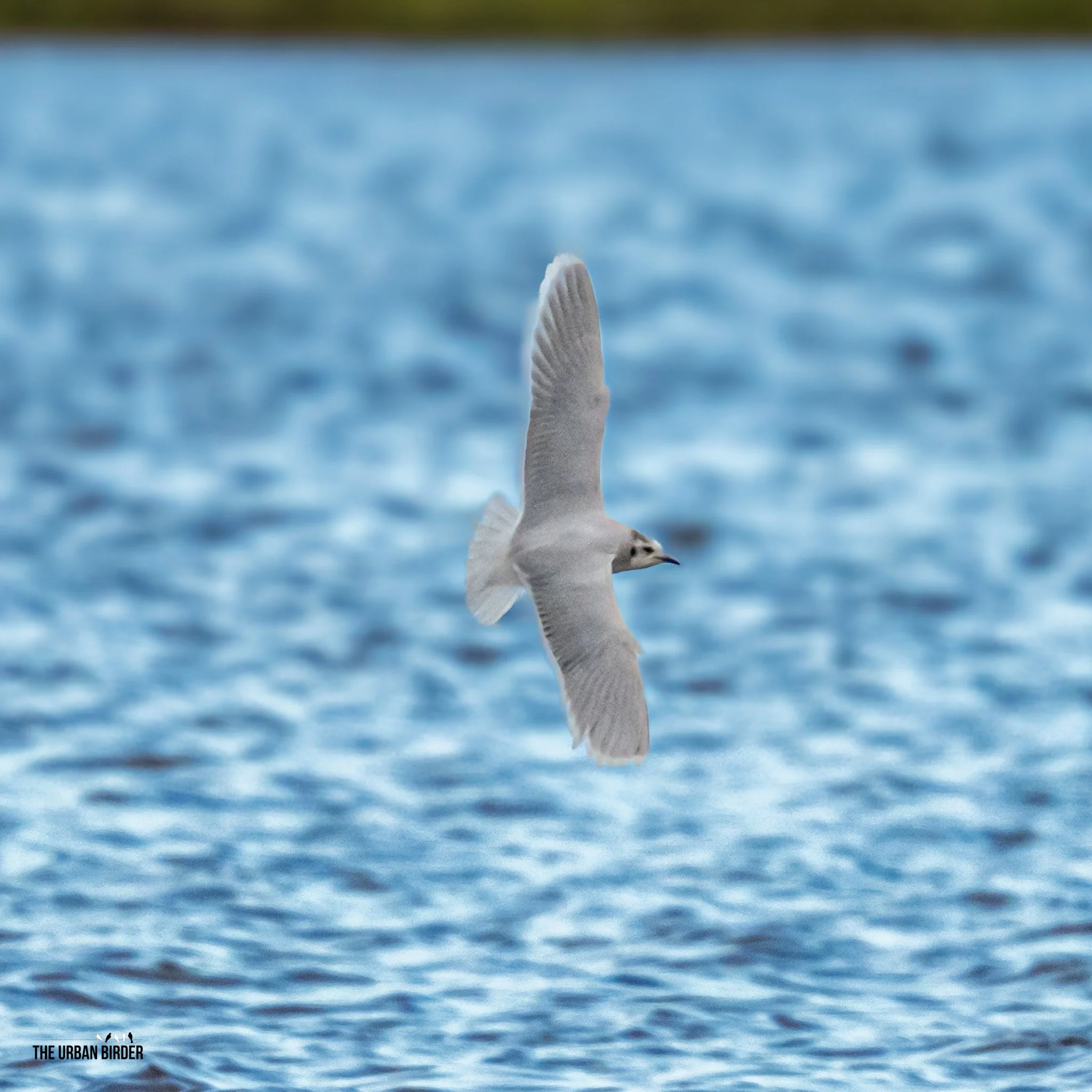
Little Gull
Special trip notes
This trip is suitable for all ages and abilities.
A moderate amount of walking is involved with no uphill treks or walking on uneven ground. Note though that it could be muddy in places.
The weather can range from being mild to a bit chilly. It can also be wet so bring waterproof attire and walking boots.
Note that Serbia is not an EU state and as such they still allow smoking in public places such as restaurants. We will try to organise dinners in the Kikinda hotel to be held in smoke-free portions of the restaurants.
Recommended field guide:
Collins Bird Guide – Lars Svensson, Killian Mullarney & Dan Zetterström
Book now
Price
£1,975 plus flight
Flights
Currently, if you are travelling from the UK there are direct flights to Belgrade from the UK via Air Serbia.
Single supplement: £195
Deposit: £500
Remaining balance due 60 days before travel start date
Group size: 6 participants and maximum 10 participants.
Please contact us if you have any other queries
Email: tours@theurbanbirderworld.com
Price includes
Full board accommodation
Meals
Transport in a comfortable minibus
The services of your guides David Lindo (The Urban Birder) and Milan Ružić
Price does not include
Airline tickets and airport taxes
Personal travel insurance
Entry fees to museums (if desired)
Incidental refreshments at cafes and bars, plus all additional drinks
Click on the booking button BELOW to reserve your place on this tour. You will be re-directed to the birdswildlife.com website.